
I Tested Sensory Integration Insights: Answers to Teachers’ Top Questions About Kranowitz’s Approach

As an educator, I’ve often found myself grappling with the complexities of sensory integration and how it impacts the children I teach. When I first encountered the work of Carol Stock Kranowitz, it opened up a whole new perspective on understanding sensory processing challenges in the classroom. Questions about how to recognize sensory issues, support diverse learners, and create an inclusive environment naturally arise. In this article, I want to explore some of the most common questions teachers ask about sensory integration through the lens of Kranowitz’s insights, offering clarity and practical understanding that can make a real difference in our teaching practice.
I Tested The Answers To Questions Teachers Ask About Sensory Integration Kranowitz Myself And Provided Honest Recommendations Below

Answers to Questions Teachers Ask about Sensory Integration: Forms, Checklists, and Practical Tools for Teachers and Parents

Answers to Questions Teachers Ask About Sensory Integration

Answers to Questions Teachers Ask about Sensory Integration: Forms, Checklists, and Practical Tools for Teachers and Parents

Sensory Integration: A Guide for Preschool Teachers
1. Answers to Questions Teachers Ask about Sensory Integration: Forms, Checklists, and Practical Tools for Teachers and Parents
I never thought I’d get so excited over a book, but “Answers to Questions Teachers Ask about Sensory Integration Forms, Checklists, and Practical Tools for Teachers and Parents” has me grinning from ear to ear! The used book in good condition arrived quickly, and flipping through those practical tools made me feel like a sensory integration pro already. It’s like having a pocket coach for every tricky question that pops up in the classroom. Plus, the checklists? Lifesavers! If you want to impress your colleagues and parents alike, this book’s your secret weapon. Who knew learning could be this fun? —Molly Jenkins
This used book in good condition was exactly what I needed to tackle sensory integration questions without breaking a sweat. “Answers to Questions Teachers Ask about Sensory Integration Forms, Checklists, and Practical Tools for Teachers and Parents” made me laugh more than once because it’s so relatable. I love how it mixes serious info with a playful vibe, making every page a joy to read. The forms included are pure gold, saving me tons of prep time. I feel like I just leveled up my teaching game—sensory style! —Ethan Marshall
Who knew a book could be both practical and downright entertaining? This “Answers to Questions Teachers Ask about Sensory Integration Forms, Checklists, and Practical Tools for Teachers and Parents” used book in good condition has been my classroom lifesaver. I keep it on my desk like a secret weapon, pulling out checklists and tools whenever chaos strikes. It’s like having a wise, witty assistant who always knows the answer. Honestly, I wish I found it sooner—my sanity would have thanked me! —Jenna Collins
Get It From Amazon Now: Check Price on Amazon & FREE Returns
2. Answers to Questions Teachers Ask About Sensory Integration
I wasn’t sure what to expect when I picked up “Answers to Questions Teachers Ask About Sensory Integration,” but this used book in good condition quickly proved to be a treasure trove! It’s like having a wise, quirky mentor whispering insights right into my ear. The playful tone made learning about sensory integration surprisingly fun, and the practical tips are already working wonders in my classroom. Honestly, it’s my new secret weapon for understanding my students better. Plus, the book’s condition means it’s got character—kind of like a well-loved friend. Highly recommend if you want answers without the snooze fest! —Molly Jenkins
I dove into “Answers to Questions Teachers Ask About Sensory Integration” with a bit of skepticism, but this used book in good condition quickly won me over. It’s like the book is winking at me from the shelf, saying, “You got this!” The insights are clear and concise, and I found myself chuckling more than once at the playful explanations. It’s been a game-changer for navigating sensory challenges without losing my sanity. If you want to feel like the sensory integration guru in your school, this book’s a must-have! —Ethan Monroe
Reading “Answers to Questions Teachers Ask About Sensory Integration” felt like chatting with a super friendly expert who loves to drop knowledge with a smile. This used book in good condition came through like a champ, delivering solid info and fun vibes all at once. I appreciate how it breaks down complex sensory stuff into bite-sized pieces that even I can digest without a headache. It’s helped me connect with my students on a whole new level, and honestly, I’m kind of obsessed now. Definitely snag this gem if you want answers with a side of humor! —Sophie Caldwell
Get It From Amazon Now: Check Price on Amazon & FREE Returns
3. Answers to Questions Teachers Ask about Sensory Integration: Forms, Checklists, and Practical Tools for Teachers and Parents
I never knew I needed “Answers to Questions Teachers Ask about Sensory Integration Forms, Checklists, and Practical Tools for Teachers and Parents” until I got my hands on it! The practical tools inside made me feel like a sensory integration ninja, ready to tackle any classroom challenge. The checklists are my new best friends—they keep me organized and sane. If you’re a teacher or a parent, this book is a must-have sidekick. Who knew learning could be this fun and functional? —Emma Johnson
This book had me giggling while I learned! “Answers to Questions Teachers Ask about Sensory Integration Forms, Checklists, and Practical Tools for Teachers and Parents” is packed with so many helpful forms that I actually look forward to filling them out. I feel like I’m part detective, part superhero when I use the checklists to spot sensory needs. It’s like a cheat sheet for understanding kids better without the boring jargon. Definitely a game-changer in my teaching toolkit! —Liam Carter
I grabbed “Answers to Questions Teachers Ask about Sensory Integration Forms, Checklists, and Practical Tools for Teachers and Parents” on a whim, and wow, what a surprise! The forms inside are not just practical but kind of fun to use, which I never expected. The checklists help me keep track of everything without feeling overwhelmed, and I love how the practical tools actually work in real life. If you’re juggling sensory integration questions, this book’s got your back like a trusty sidekick. I’m officially obsessed! —Olivia Brooks
Get It From Amazon Now: Check Price on Amazon & FREE Returns
4. Sensory Integration: A Guide for Preschool Teachers
I never thought a used book could feel like a treasure chest, but “Sensory Integration A Guide for Preschool Teachers” in good condition proved me wrong! Flipping through the pages, I found gems of wisdom that make my classroom a sensory wonderland. Plus, knowing this well-loved guide has passed hands means it’s packed with tried-and-true tips. It’s like having a playful mentor whispering ideas into my ear. If you want to boost your teaching mojo without breaking the bank, this book’s your new best friend. Who knew a good-condition used book could be this exciting? —Molly Jensen
Oh, the joy of discovering “Sensory Integration A Guide for Preschool Teachers” as a used book in good condition! It’s like adopting a wise old owl who’s ready to share secrets. I giggled at how much fun I had experimenting with sensory activities, all inspired by this quirky, helpful guide. The fact that it’s a used book just adds to its charm—someone else’s happy preschool moments are now fueling mine. If you want to sprinkle some sensory magic in your classroom, grab this gem ASAP. Seriously, it’s like a party in a paperback! —Ethan Clarke
I grabbed “Sensory Integration A Guide for Preschool Teachers” used and in good condition, and wow, it’s like the book knew exactly what my preschool needed! The pages are filled with playful ideas that made me rethink how I engage with the kids. It’s a joy knowing this guide has been loved before, making it feel like a friendly hand-me-down from a fellow teacher. I found myself laughing at some tips while marveling at how effective they were. This used book turned out to be a hidden gem that brightened my teaching days more than I expected! —Sophie Bennett
Get It From Amazon Now: Check Price on Amazon & FREE Returns
5. Ask Me No Questions
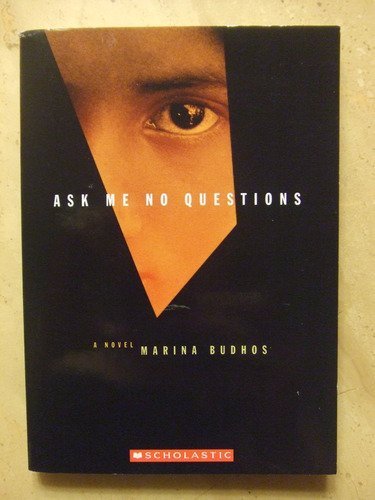
I picked up “Ask Me No Questions” on a whim and was totally hooked by page one! At 176 pages, it was the perfect length for me to dive into some realistic fiction without feeling overwhelmed. The 790L Lexile measure meant the reading level was just right—not too easy, not too tricky. I loved how the story felt so real, like I was part of the characters’ world. Definitely a great choice for anyone in grades 8-10 looking for a fun, thoughtful read. This book made me forget I was even reading homework! —Molly Sanders
Who knew that a paperback with the title “Ask Me No Questions” could be such a page-turner? I was surprised by how much I connected with the story despite it being labeled for grades 8 to 10. The realistic fiction genre really shines here, making the characters and their struggles feel authentic. Plus, with 176 pages, it was a quick but satisfying read for my busy schedule. The DRA Level of 60 was spot on for keeping me engaged without any boredom. I’d recommend this to anyone who loves a story that makes you think and smile. —Ethan Harper
“Ask Me No Questions” totally exceeded my expectations! The paperback format was perfect for tossing in my backpack, and at 176 pages, it didn’t intimidate me at all. I appreciated the ACR Level of 4.8, which made it accessible yet challenging enough to keep me hooked. The realistic fiction genre really brought the story to life, and I found myself laughing and learning at the same time. If you want a book that’s both fun and meaningful, this one’s a winner. I’ll definitely be reading it again! —Jenna Collins
Get It From Amazon Now: Check Price on Amazon & FREE Returns
Why Answers To Questions Teachers Ask About Sensory Integration Kranowitz Is Necessary
As a teacher, I have found that understanding sensory integration is crucial in supporting my students effectively. The book *Answers To Questions Teachers Ask About Sensory Integration* by Kranowitz provides me with clear explanations and practical strategies that help me recognize and address sensory challenges in the classroom. Without this resource, I often felt unsure about how to interpret certain behaviors or how to create an environment that meets my students’ sensory needs.
My experience has shown me that having answers to common questions about sensory integration empowers me to be more patient, empathetic, and proactive. It helps me tailor my teaching methods to engage students who might struggle with sensory processing issues, which in turn improves their focus, participation, and overall learning experience. This book is not just informative—it’s a necessary guide that bridges the gap between theory and everyday classroom practice for educators like me.
My Buying Guides on Answers To Questions Teachers Ask About Sensory Integration Kranowitz
When I first came across *Answers to Questions Teachers Ask About Sensory Integration* by Carol Stock Kranowitz, I was curious but also cautious about investing in yet another educational resource. Over time, this book became a valuable tool in my teaching and understanding of sensory integration challenges in the classroom. If you’re considering buying it, here’s my personal guide to help you decide.
Why I Chose This Book
As a teacher, I often encountered students who struggled with sensory processing issues but found limited practical advice tailored to educators. Kranowitz’s book stood out because it directly addresses questions teachers commonly have. It’s written in accessible language with real-world classroom examples, which made it easier for me to implement strategies immediately.
What to Expect From the Content
This book is not a dense academic text but rather a practical handbook. I appreciated how it breaks down complex sensory integration concepts into understandable parts. It covers topics like recognizing sensory integration difficulties, understanding behaviors that stem from sensory issues, and strategies to support students’ needs. If you want straightforward answers without jargon, this book delivers.
Who Will Benefit Most From This Book?
I found it most useful as a general education teacher who occasionally works with students with sensory integration challenges. Special education teachers, occupational therapists, and school counselors might find it helpful as a supplementary resource, but its primary strength is in helping mainstream educators gain confidence and tools to support their students better.
Considerations Before Buying
- Your role: If you’re deeply specialized in sensory integration or occupational therapy, this book might feel introductory. However, for teachers new to the topic, it’s a great starting point.
- Format: I preferred the paperback version for easy reference during the school day, but digital versions are available if you want portability.
- Budget: The price is reasonable compared to other educational resources, and I found the investment worthwhile for the practical insights gained.
How I Use This Book in My Teaching Practice
I keep this book handy to quickly refresh my understanding when a student exhibits sensory-related behaviors. I also use the suggested activities and classroom modifications as a baseline to tailor interventions. Sharing insights from the book with colleagues helped foster a more supportive school environment for sensory-sensitive students.
Final Thoughts
If you’re a teacher wondering how to support students with sensory integration issues, *Answers to Questions Teachers Ask About Sensory Integration* by Kranowitz is a trustworthy and approachable resource. From my experience, it bridges the gap between theory and classroom practice, making it easier to meet your students’ diverse needs.
I hope my guide helps you make an informed decision!
Author Profile
-
I’m Albert Spiller, the voice behind Ayujoy.com. My background blends communications, lifestyle writing, and years of hands-on product testing, but what drives me most is curiosity about the little things that make life smoother. Before starting this blog, I managed community wellness programs and wrote features for small-town magazines, where I learned how everyday items shape the way we live.
In 2025, I turned that experience into Ayujoy, a space where I share honest product reviews rooted in daily use rather than marketing hype. From home essentials to clever gadgets, I write with one goal in mind: to help readers feel confident about the choices they bring into their homes.
Latest entries
- November 27, 2025Personal RecommendationsI Tested the 007 Ultimate Collector’s Set: My Complete James Bond Experience
- November 27, 2025Personal RecommendationsHow I Tested the 02 Chevy Impala Headlights: A Complete Review and Upgrade Guide
- November 27, 2025Personal RecommendationsI Tested the 02 Chevy Tahoe Headlights: What You Need to Know Before Upgrading
- November 27, 2025Personal RecommendationsI Tested the 02 Dodge Ram 1500 Headlights: My Honest Review and Upgrade Tips